Hummus, baba ghanouj and tahini: a dip guide
Compare chickpea hummus, eggplant baba ghanouj and sesame tahini, then choose dips that bring different flavors to the table.
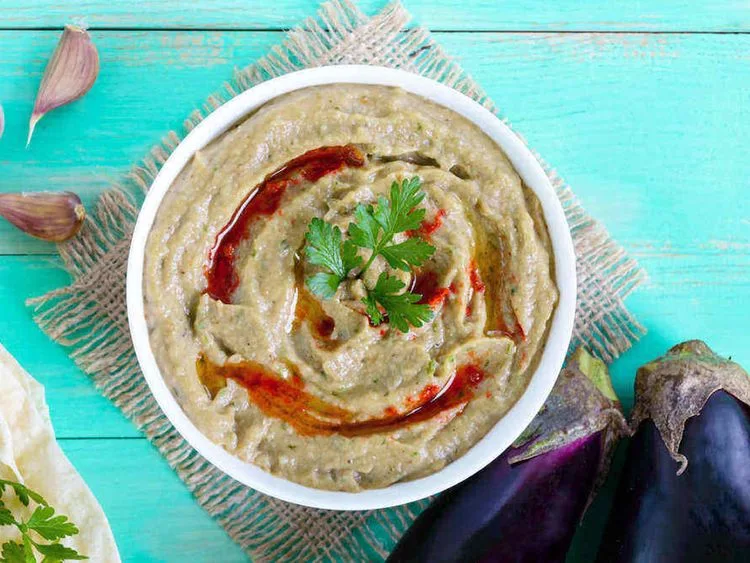
Hummus or baba ghanouj: choosing your first dip
Hummus begins with chickpeas; baba ghanouj begins with cooked eggplant. The menu lists tahini and citrus-style seasoning in these preparations, but the base ingredient changes the texture and flavor.
Choose hummus when you want a smooth chickpea base. Explore baba ghanouj when the eggplant character sounds appealing. For a larger table, a small taste of each can be more interesting than doubling one dip.
Sesame appears in tahini. Ask about allergens and the current preparation before choosing a dip for someone with dietary restrictions.
Tahini starts with sesame, not chickpeas
Tahini and hummus are different things. Tahini is a sesame paste used in sauces and dips; hummus has a chickpea base and commonly includes tahini as an ingredient. Knowing the difference helps when comparing a tahini sauce with a bowl of hummus or asking about ingredients.
Read the dish description before ordering a dip. Sesame matters to anyone avoiding that ingredient, even when the finished sauce looks pale and creamy.
Sesame seeds change both flavor and texture
Sesame can appear as a paste, an oil-containing seed or a topping with a small crunch. Those forms create different experiences even though they come from the same ingredient. A dish with sesame sprinkled on top is not necessarily similar in texture to one blended with tahini.
Ask about sesame in the whole dish, including sauces and garnish, when planning for someone who needs to avoid it.
Walnuts in a savory spread
Walnuts can add texture and richness to a spread without making it a dessert. In a pepper-based dip, the nut and vegetable play different roles: one changes the body and bite, while the other supplies the main vegetable character. Grinding them finely or leaving a little texture changes the result.
Read the ingredient description of pepper dips carefully. A vegetable-led name does not tell you whether nuts are included.
Eggplant rewards attention to texture
Eggplant can be a soft base for a dip, a cooked component of a stew or a distinct vegetable piece. Cutting and cooking choices determine which role it plays. Seeing eggplant in two dish descriptions does not mean the dishes will have the same texture or the same place in the meal.
Try a dip and a vegetable preparation on different occasions. Notice the form of the eggplant rather than only its seasoning.
A pepper-and-walnut dip has a nut component
Muhammara’s pepper-led identity does not make it a vegetable-only preparation. The Yalla description includes crushed walnuts, which contribute flavor and texture. That distinction matters when choosing a spread for a group.
Keep the dip’s full ingredient description available when serving, particularly if guests need to know about nuts.
Tahini sauce and a family-size dip serve different roles
A prepared sesame sauce can accompany a main or be ordered in a larger serving for sharing. Its intended use may be pouring or dipping rather than becoming the whole centerpiece. Consider how many dishes will actually use it.
Avoid ordering several large sauces before checking which are already included with the selected platters.