Choosing Middle Eastern sweets for a dessert table
Compare syrup pastries, filled cookies, semolina cake and cheese desserts by texture, filling and serving needs.
A dessert table built around texture
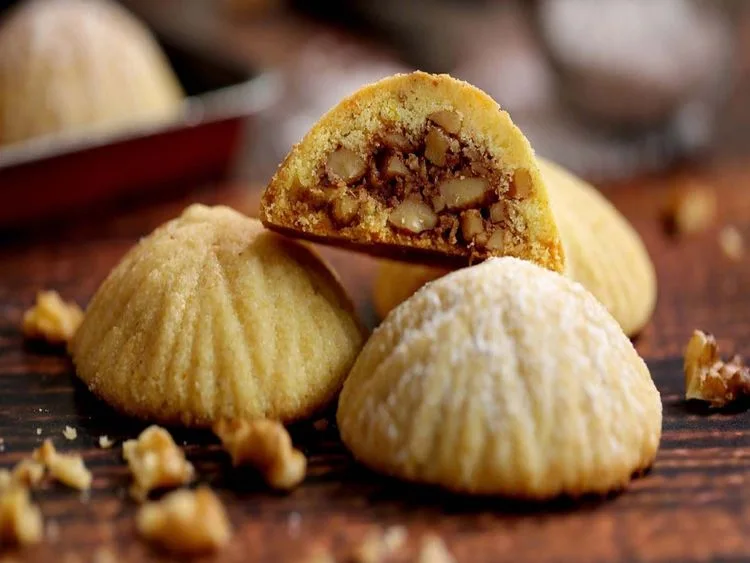
Compare baklava, maamoul and kunefe rather than assuming all Middle Eastern desserts are similar. The menu also offers halva and sweet delight in their own serving formats.
Choose a few different textures and portion them for sharing. Warm cheese desserts deserve their own moment instead of being treated like a room-temperature cookie.
Ask about nuts, dairy and wheat before ordering for a group. The name alone is not a complete ingredient list, and a mixed assortment can change.
Warm kunefe and the pleasure of a cheese dessert
Yalla lists a shredded-dough version and a bread-and-syrup version separately. The latter description says it needs heating and that the syrup is served on the side.
Read the serving instructions and enjoy the cheese texture while the dessert is warm. Add syrup to suit your preference when it comes separately.
Choose the particular version that interests you. The word kunefe covers different preparations, so do not assume two versions have identical ingredients or texture.
Orange-blossom aroma in a sweet finish
Orange-blossom water is used for its floral fragrance, not to make a dish taste like orange juice. Its effect can be noticeable even in a small amount. When exploring a syrup or dessert, separating fragrance from sweetness helps explain why two equally sweet bites can feel very different.
Ask about a dessert’s flavoring if floral aromas are not your preference. The name of the sweet may not identify every ingredient.
Rosewater is a fragrance, not a fruit filling
A rosewater-flavored sweet gets its character from a floral aroma. It is different from a dessert filled with fruit or nuts, even when those ingredients appear beside the flavoring. The experience is often easiest to appreciate in a small taste before combining it with another strong flavor.
For a tasting plate, keep floral sweets separate from heavily flavored sauces so each confection remains recognizable.
Pistachio as filling, topping and finishing touch
Pistachio can be the main filling of a pastry or a small garnish on a finished sweet. These are different roles, and the photograph alone may not tell you which applies. A nut-filled pastry gives a different texture from a cheese dessert with pistachio only on top.
For a mixed dessert order, ask which items have nuts in the filling and which use them as a garnish.
Dates bring more than sweetness to a cookie
A date filling has its own texture, fruit character and density. It is different from adding loose sugar to a dough or finishing a pastry with syrup. In a filled cookie, the balance between the outer shell and the center is part of what makes the bite recognizable.
When choosing between filled cookies, compare the filling first. Date, walnut and pistachio versions should not be treated as the same flavor.
Semolina gives a sweet its own structure
Semolina can contribute a grain texture and structure that differs from a pastry made only from thin sheets of dough. That distinction helps explain why a syrup cake, a filled cookie and a layered pastry do not feel alike, even when all are served after the same meal.
When choosing sweets, include one different dough style rather than ordering several items that repeat the same texture.
A chocolate-and-pistachio pie is a sweet bakery item
A sweet pie can use the same broad bakery format as savory options while playing a different role in the meal. The chocolate spread, pistachio and sweet finish make it a dessert or treat rather than a substitute description for a cheese pie.
Check the topping details and decide whether you want to share it after the main meal.
Filled cookies make the center part of the choice
A cookie with a date filling differs from one with walnut or pistachio, even if the outer shape is related. The filling determines a substantial part of the taste and texture. A mixed selection should therefore be explained clearly.
For a group, keep the filling names with the cookies rather than asking guests to identify them from the outside.
Halva is not a layered pastry
Halva has a different structure from baklava or a filled cookie. Its texture is part of why it belongs as a distinct option in a sweet selection. Chocolate and pistachio versions add their own character to that base.
Choose halva when you want a different kind of sweet bite, and ask about the current product ingredients before ordering for someone else.
Soft sweet confections bring another dessert texture
A soft confection gives a different eating experience from crisp pastry or a warm cheese dessert. A mixed selection may contain more than one flavor, so the appearance of one piece does not define the entire assortment.
Ask what is in the current selection and choose a portion that lets you taste the individual pieces separately.
A syrup cake has a different crumb
A semolina-based syrup cake such as namoura has a different structure from a flaky layered sweet. The syrup and cake work together as a single bite rather than remaining separate components. That distinction is useful when planning a varied dessert plate.
Include it for texture variety, then choose a second sweet with a genuinely different structure.
A mixed assortment needs a current description
An assortment can change while keeping the same broad name. The actual pieces and ingredients matter more than an older image of the selection. Asking about the current mix makes the order clearer, especially when buying sweets for several people.
Check which pieces are included and whether the assortment can suit the preferences of your guests.