How to build a Middle Eastern mezze table
Choose a dip, a vegetable dish and a warm favorite, then build a shared table with room for different tastes.
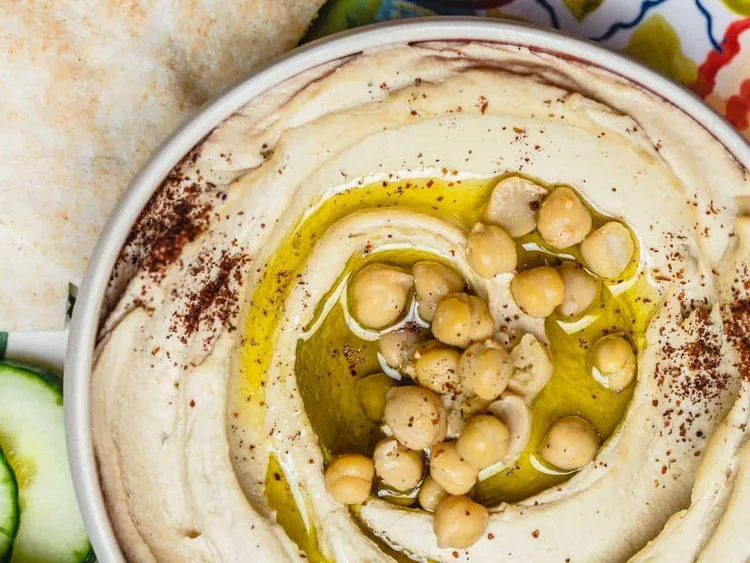
How to build your first Middle Eastern mezze table
Begin with hummus or baba ghanouj, then add tabouleh or fattouch and a hot appetizer. Bread helps connect the dishes, while a grilled main can be added if you want a fuller meal.
Put shared dishes where everyone can reach them, use serving utensils and bring hot items to the table when guests are ready. Small plates help guests try a few combinations.
Read the portions before ordering. A family-sized dip and an individual appetizer serve different roles, even when the names sound similar.
The art of contrast: creamy dips and crisp vegetables
Hummus is smooth; a cabbage salad keeps a firmer bite; pickled turnips add crunch and tang. Combining these textures can be more enjoyable than choosing every dish in the same style.
Try a dip with bread first, then taste it beside a vegetable salad. Use what you notice to choose one contrasting accompaniment for your next order.
Do not assume every garnish in a photograph is included. The serving description and current ordering options are the useful guide.
How to plan a Middle Eastern sharing dinner
Start with a family platter and check what it includes. Add a fresh salad or an appetizer that creates a different flavor, rather than repeating every side already on the platter.
Put sauces in reachable places and give guests serving utensils. If some guests prefer vegetarian dishes, give those dishes their own space on the table.
Read advance-order and grill-time notes. The slow-cooked lamb leg needs seven days’ notice, while selected grilled family dishes list a longer cooking time.
Taste preferences, not a contest: finding your favorite dish
Some guests love garlic and pickles; others prefer herbs and citrus or the warmth of grilled meat. Bakery toppings and syrup desserts offer another set of preferences altogether.
Name the part you like: creamy, crisp, tangy, smoky, spicy or sweet. Then use that preference to explore a neighboring dish on the menu.
Try one change at a time. Comparing two sauces or two serving formats teaches you more about your taste than ordering several unfamiliar dishes and mixing everything together.
Mezze is a serving idea, not one recipe
Mezze describes a selection of smaller dishes rather than a single preparation. A table can include different dips, salads and appetizers, each with its own ingredients. The word helps explain the style of the meal, but it does not tell you everything about any one item.
Choose the individual dishes by their descriptions, then consider how their textures work together.
Hospitality can be practical as well as generous
A welcoming meal gives guests a way to participate comfortably. Reachable dishes, clear choices and attention to preferences can matter as much as the quantity of food. Generosity is not only about adding another platter to an already crowded table.
Think about the guest’s next action: choosing, serving or eating. Arrange the table so that action is easy.
Shared food invites individual combinations
A shared spread lets people combine a main, a sauce and a side according to their own preferences. That is different from requiring everyone to enjoy an identical assembled meal. The variety is most useful when the components remain recognizable.
Keep sauces available separately when the serving format allows it, and let guests decide their own combination.
A special meal can still include everyday favorites
An occasion does not require every dish to be elaborate or unfamiliar. A familiar dip or wrap can sit comfortably beside a celebratory centerpiece. The useful balance is between what guests recognize and what makes the event feel personal.
Keep one reliable favorite in the menu while exploring an additional dish that suits the gathering.
Sharing does not remove the need to ask about ingredients
A communal table can make food feel approachable, but it can also obscure which ingredients belong to which dish. Ingredient questions remain important even when everyone is serving from the same spread. Clear information supports a better gathering.
Keep the written descriptions with the host and identify the person who can answer questions accurately.
A shared table needs permission to have different tastes
Guests do not have to agree on the strongest sauce, the hottest dish or the best sweet. A varied table can make space for those differences. Enjoyment is more useful than turning the meal into a competition between preferences.
Choose a few distinct options and keep optional elements separate where the serving format permits.
The Middle Eastern table has room for vegetables
A food selection centered only on meat leaves out many of the menu’s textures and ingredients. Dips, salads, legumes, stuffed vegetables and bakery fillings offer other ways to build a meal. Exploring them adds variety without requiring a complicated order.
Pick one vegetable or legume preparation as a main choice rather than treating every such dish as an extra.
Why Middle Eastern food tastes so layered
Lemon brightens a rich dip; a pickle interrupts the softness of a wrap; fresh parsley adds a different aroma from grilled meat. Start with these contrasts when tasting a new dish.
Try a small bite of hummus alone, another with bread and another beside a pickle. Notice which combination you prefer. Then apply that preference when choosing a sandwich or a mezze spread.
Choose one creamy dish, one crisp or fresh accompaniment and a main. Ordering several rich dishes without a contrast can hide the details that made each dish interesting.