Buffet planning: sides, sauces and serving flow
Give bread, sauces, vegetarian dishes and serving utensils a place in the plan before the buffet opens.
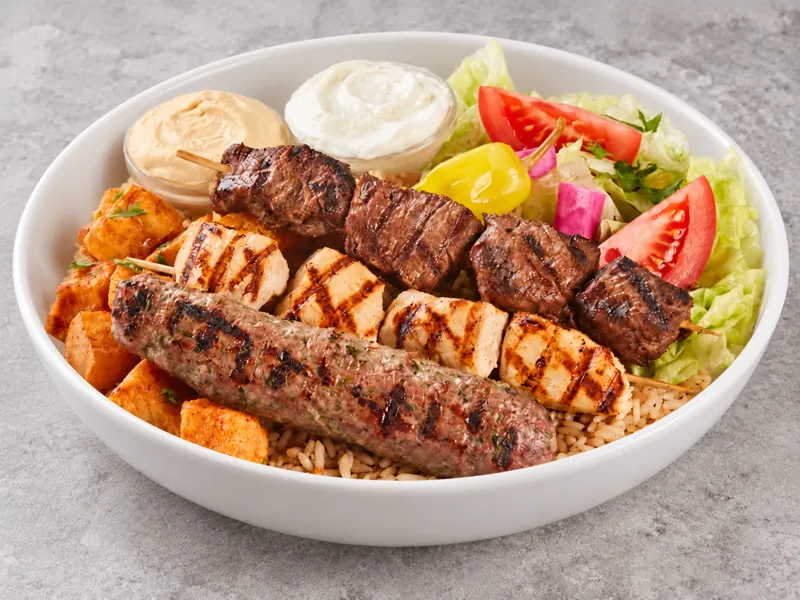
A large order should have one version of the plan
Multiple messages about the same event can create conflicting information. A final written list of guest count, dishes, changes and location gives everyone a clearer reference. The food order should not depend on who last remembered a request.
Review the final selection with the person placing the order and keep later changes together in the same record.
Vegetarian dishes should have their own serving space
A vegetarian selection is easier to use when it is clearly identified and served with its own utensils. Putting every main together may make the choices harder to understand. A thoughtful layout lets guests see the options intended for them.
Ask about the actual preparation and any dietary restrictions before labeling a finished dish for the group.
Sauce labels prevent unnecessary guessing
Pale sauces can look similar while having different ingredients and flavors. At a shared event, a label is more useful than asking guests to identify a sauce from its appearance. It also keeps the intended pairings clear.
Name the sauce on the serving table and use a separate utensil for each bowl.
Bread belongs in the portion conversation
Bread is easy to overlook when planning a spread around mains and dips. Some platters specify a number of pitas; other dishes exclude bread. The total order should account for those written details rather than assume every item includes it.
List the bread already included, then ask whether the planned guest count needs an additional order.
Dessert timing can change the whole serving plan
A warm dessert and a room-temperature sweet do not need identical handling. If dessert arrives with the main meal, somebody still needs to know how and when it will be served. The menu should fit the event’s sequence.
Read heating and syrup instructions before selecting a cheese dessert for a larger gathering.
A buffet table works better with a clear sequence
Guests should be able to move through a serving area without doubling back for every sauce or piece of bread. Placing plates first and keeping related accompaniments near the main makes the food easier to use. The exact layout depends on the space.
Walk through the setup as if you were a guest before the meal begins.
A party menu should not repeat every side
Adding several platters can duplicate rice, potatoes, bread and sauces without adding much variety. Reviewing the written inclusions helps you see whether the next item contributes something different. Generosity does not require ordering the same accompaniment in every format.
Make one list of included sides before discussing any additional dishes.
Serving utensils belong on the planning list
A shared platter is only convenient if guests can portion it easily. Spoons, tongs or other suitable utensils need to be part of the setup. Food planning and serving-equipment planning should happen together.
Check what your event location already has and what must be arranged before placing the food on the table.
A meal schedule should allow room for serving
Food can be ready while the gathering is not ready to eat. Deciding when dishes will be placed on the table helps coordinate pickup and the event itself. That is especially useful when guests have an activity before the meal.
Give the catering contact the intended eating time as well as the collection time.