Kitchen basics: texture, assembly and tasting
Use clear cooking and texture words to ask better menu questions and make small, practical changes in your own kitchen.
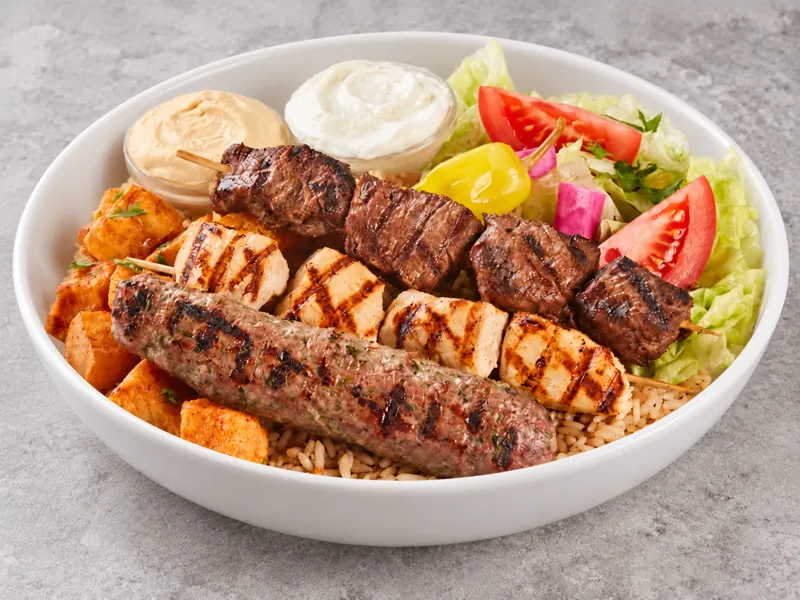
Cut size is part of the cooking plan
A recipe’s cut size affects more than the appearance of the ingredients. It changes the surface available for seasoning and how you experience the center of a piece. Within one batch, very different sizes can also make it harder to judge when the whole batch has reached the texture you want.
Choose a consistent cut for an experiment at home. Change the seasoning in a later batch rather than changing every variable at once.
A sharp-looking garnish should still be easy to eat
A garnish belongs in the meal only if it works with the way the food is served. A large decorative piece may photograph well but be awkward in a wrap or on a small shared plate. Practical size and placement can matter as much as its color.
When plating at home, try eating a normal bite before deciding that the presentation is finished.
Mix a dressing before pouring it over a salad
A dressing is a mixture, so the order in which you prepare and distribute it can affect how evenly the salad tastes. Stirring the components together first lets you taste the balance on a small sample. Pouring separate ingredients over a large bowl can make the result harder to judge.
Try the dressing on one leaf or vegetable piece before committing the entire salad to the mixture.
Boiling and simmering are different kitchen actions
A pot’s movement can tell you something about the cooking stage, but neither a vigorous boil nor a gentle simmer is correct for every ingredient. Recipes use different levels of activity for different purposes. Treat the instruction as part of the method rather than as an optional word.
When learning a dish, follow the stated stage before changing the heat to suit your own equipment.
Finishing a dish can be a separate preparation stage
A cooked food may still need a final dressing, garnish or sauce before it is ready to serve. Those finishing choices can change the balance without changing the main cooking method. Understanding this distinction helps when asking for a modification.
Explain whether you want a finishing sauce on the side or whether you need an ingredient excluded from the entire recipe.
A tasting spoon keeps experiments small
A small taste gives you information before a change affects the whole dish. That makes it useful when balancing a dressing, seasoning a mixture or deciding how two foods work together. It is easier to learn from one deliberate adjustment than from several additions made at once.
Set aside a small portion for the experiment and compare it with the original preparation.
Texture words make food questions clearer
Crisp, soft, smooth, chunky and chewy describe different experiences. Using these words can make an ingredient or preparation question more precise than asking only whether a dish is good. They also help explain why two items with similar ingredients may appeal to different guests.
When ordering for someone else, ask which texture they enjoy before choosing an unfamiliar dish on their behalf.
A serving temperature can shape the experience
Some dishes are intended to be served warm, while others are enjoyed cold or at room temperature under appropriate handling conditions. The intended texture may depend on that choice. A warm cheese dessert is therefore not simply another item to place beside a cookie without reading its instructions.
Ask how to serve a takeaway item if the menu includes a heating note or if you are planning to eat later.
A garnish can be optional while a recipe ingredient is not
A visible garnish may be easy to place on the side. The same ingredient mixed into a filling or sauce may require a different preparation entirely. That distinction is why an ingredient request deserves a precise conversation rather than a quick visual guess.
Ask whether the ingredient is added at serving or included earlier in preparation before assuming it can simply be removed.
A clean finish does not need many decorations
A considered food presentation can use fewer elements and still look generous. The main should be recognizable, and any finish should belong to the meal. Extra garnishes that distract from the dish are not automatically a sign of care.
For a home plate, remove an element if you cannot explain how it contributes to eating the food.
Cooking vocabulary makes the menu easier to navigate
Grilled, fried, baked, blended and slow-cooked describe different processes. These terms tell you something about a dish before you taste it, although they are not complete recipes. Using them to compare options is more useful than treating every item in a category as equivalent.
Choose one cooking style you already enjoy, then explore another style in a separate dish rather than guessing from a name alone.