Hosting a shared dinner at home
Make the table easy to use with suitable bowls, visible dish names and room for guests to build their own combinations.
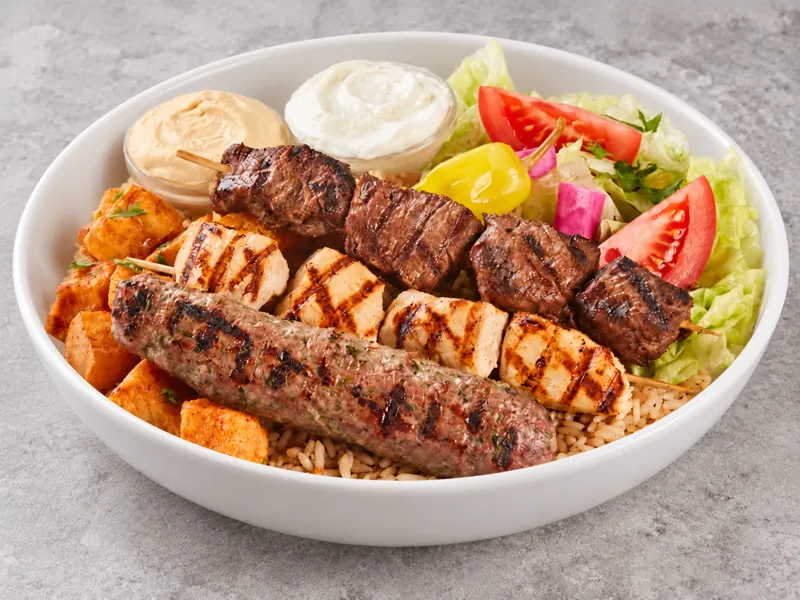
A dip bowl should suit the way guests will use it
The serving vessel should let people portion the dip comfortably. A small bowl can be useful for an individual meal, while a shared table may need a shape that is easier to reach. Presentation and usability belong in the same decision.
Place the bowl where guests can use a serving utensil without moving several other dishes.
A salad does not need to copy the main’s flavor
A companion salad can provide contrast instead of repeating the strongest seasoning in the main. That gives the table a different bite between richer components. Matching every flavor exactly is not the only way to make dishes work together.
Choose whether the salad’s role is fresh, tangy or crisp before adding a heavily flavored dressing.
Use a small plate to test a serving combination
A small plate gives you room to try two foods together without committing the entire meal to the experiment. It is especially useful when combining a dip, pickle and main. You can recognize which element changes the bite.
Keep the components separate until you know which combination you want more of.
A vegetable platter can lead the meal
Vegetables do not have to be an extra placed beside a meat order. A thoughtful combination can make them the main focus, with a dip, bread or another accompaniment supporting that role. The serving format should match the way you want to eat.
Choose the vegetable centerpiece first and add companions with different textures rather than filling the table with similar preparations.
A host can explain the menu without giving a history lecture
Guests often need practical information first: the main ingredient, the sauce and how the dish is meant to be served. A clear explanation can make unfamiliar food approachable. There is no need to attach a country-of-origin story to every plate.
Introduce each dish through what guests will actually taste and any ingredient information they need.
Small labels can make a mixed table more welcoming
Guests may not know which dish contains a particular filling or sauce. A concise label can give them a useful starting point and tell them whom to ask for more information. It supports conversation instead of replacing it.
Use the actual menu names and avoid labels that make unsupported dietary claims about a finished dish.