Zaatar, sumac, herbs and spices: a pantry guide
Get to know aromatic spices, tart seasonings and fresh herbs through small, useful comparisons in your own kitchen.
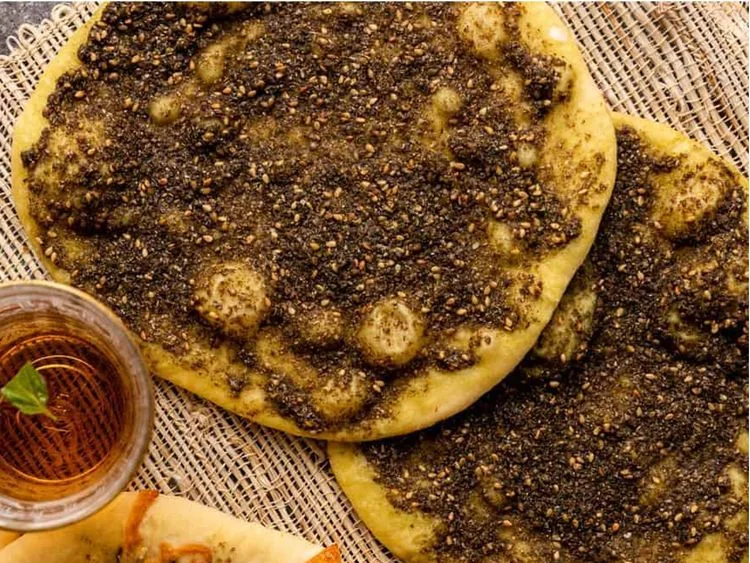
Zaatar, sumac and the bright side of Middle Eastern flavor
The menu describes zaatar pies with olive oil and pita chips seasoned with zaatar and sumac. These are useful starting points for exploring the herb-forward and tart parts of the flavor palette.
Try the pie as a bakery item, or put pita chips beside a dip. Pay attention to the seasoning before adding another sauce that could cover it.
Blends vary and may contain sesame. Read labels for pantry products and ask about the preparation of a finished bakery item.
Parsley and mint: small herbs, big personality
Tabouleh is described with parsley, mint, vegetables and bulgur. Kafta includes parsley in the meat mixture. The same herb therefore plays different roles in a salad and on the grill.
When tasting tabouleh, notice the herbs before the dressing. When tasting kafta, look for how the herb note sits beside the meat and onion.
Choose a parsley-forward salad beside a richer main if you enjoy that contrast. Herb preferences are personal, so taste rather than treating stronger flavor as automatically better.
Cumin: the warm note behind a savory dish
Cumin brings a distinctive warm, earthy aroma to cooking. A little can sit behind vegetables or a savory filling without making the dish taste hot. It is useful to separate the idea of spice from the idea of chili heat: a seasoned dish can be aromatic and mild at the same time.
At home, compare a small pinch of cumin in two otherwise simple vegetable preparations. Notice the aroma before adding another seasoning.
Coriander seed and fresh cilantro taste different
Fresh cilantro and coriander seed come from the same plant, but they do different jobs in the kitchen. The leaves bring a fresh herbal note; the seed has a warmer aroma when used as a spice. A description that says coriander does not always tell you which form is involved.
If you have a strong preference about cilantro, ask about the actual preparation rather than deciding from a spice name alone.
Paprika: color does not tell you the heat
Paprika can bring color, a pepper aroma and varying amounts of heat depending on the variety. A red seasoning is therefore not automatically a very spicy one. Describing the flavor as sweet, smoky or hot is more useful than assuming a dish’s color predicts how it will taste.
When cooking, check the paprika label before using the amount you normally use. Different varieties are not identical substitutes.
Cinnamon beyond the dessert table
Cinnamon is familiar in sweets, but it can also appear as a background note in savory seasoning blends. Used gently, it can add warmth without making a dish taste like a cookie. The interesting part is the balance with the other ingredients, rather than the presence of one recognizable spice.
Try noticing the aroma of a savory spice blend before you add it. Do not assume every warm note is chili or pepper.
Black pepper has an aroma as well as a bite
Black pepper can add a fragrant edge to a dish before its heat becomes the main thing you notice. Freshly ground pepper and pepper that has been sitting in an open container may not give the same experience. The useful question is what a little pepper contributes to the food already on the plate.
Season a small portion first when experimenting. Taste it before adding pepper to the entire dish.
Cardamom as a small finishing note
Cardamom has a strong, distinctive fragrance, so a little can shape the character of a sweet or spice mixture. The goal is not to make every ingredient compete with it. In a restrained combination, you can notice the aroma while still recognizing the main food underneath.
If you are trying cardamom at home, begin with a small amount and compare the result with an unseasoned portion.
Dried mint and fresh mint have different jobs
Fresh mint gives a cool, leafy aroma that is noticeable as you bite. Dried mint can spread a different herbal note through a mixture or dressing. One is not simply a weaker version of the other; the texture and the way the aroma reaches you can change the finished dish.
Use fresh leaves where you want to taste the herb itself. Check a recipe before replacing them with dried mint.
Flat-leaf herbs are more than decoration
An herb can change a meal even when its quantity looks small. Chopped leaves distribute their aroma through a mixture, while larger leaves let you notice the herb as a separate part of the bite. Garnishing and seasoning are therefore related jobs, but not exactly the same one.
Compare a spoonful with chopped herbs to one with a whole leaf on top. Keep the other ingredients the same.
Lemon zest and lemon juice do different work
Lemon juice supplies liquid and sharpness; the colored outer peel carries a different citrus aroma. Adding one does not reproduce everything the other contributes. A dish can smell strongly of lemon without having an equally sharp taste, depending on which parts of the fruit were used.
When following a recipe, keep zest and juice as separate ingredients. Avoid treating a splash of juice as an exact replacement for the peel.