Zaatar, sumac, herbs and spices: a pantry guide
Get to know aromatic spices, tart seasonings and fresh herbs through small, useful comparisons in your own kitchen.
Use spices at different stages
Whole cumin can be warmed in cooking fat, while sumac can be sprinkled over onions or a finished salad for tartness. Zaatar works mixed with olive oil as a topping for bread. These are different uses, so replacing one spice with another in equal quantities changes the dish. Buy modest quantities first, close packages tightly and store them away from the heat and steam above the stove.
Zaatar, sumac and the bright side of Middle Eastern flavor
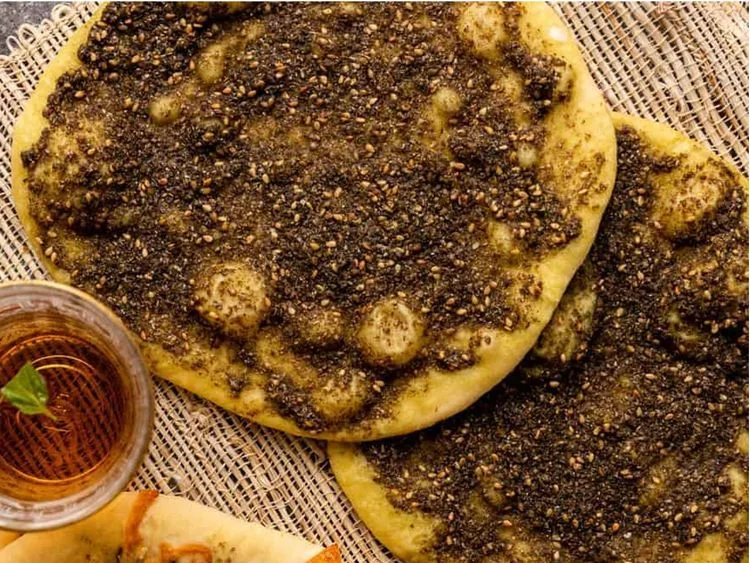
The menu describes zaatar pies with olive oil and pita chips seasoned with zaatar and sumac. These are useful starting points for exploring the herb-forward and tart parts of the flavor palette.
Try the pie as a bakery item, or put pita chips beside a dip. Pay attention to the seasoning before adding another sauce that could cover it.
Blends vary and may contain sesame. Read labels for pantry products and ask about the preparation of a finished bakery item.
Related reading: Mint chutney: blending herbs without making a watery sauce.
Explore at Yalla
COOK IT AT HOME
Za’atar roasted carrots with sumac onions
Za’atar and sumac are useful pantry ingredients because they do different jobs. A za’atar blend brings herbs and often sesame, while sumac provides a tart finish. This vegetable dish uses the blend during the final minutes of roasting so its herbs do not burn, then adds thinly sliced sumac onions for contrast.
- Makes
- 4 side servings
- Prep
- 20 minutes
- Cook
- 30 minutes
- Additional time
- Rest onions 15 minutes
A home-kitchen recipe to accompany this guide. Ingredient brands and equipment can change cooking times; use the texture and doneness cues below.
Ingredients
- 600 g carrots, peeled and cut lengthwise into similar-size batons
- 2 tablespoons olive oil
- 2 teaspoons za’atar blend
- 1/2 teaspoon fine salt, divided
- 1 small red onion, about 100 g, very thinly sliced
- 1 tablespoon lemon juice
- 1 teaspoon ground sumac
- 2 tablespoons chopped parsley
- 150 g plain yogurt, for serving
Step-by-step method
- Heat oven to 425°F/220°C. Cut thick carrots into quarters lengthwise and thinner carrots in half so all pieces have a similar thickness. Toss with olive oil and 1/4 teaspoon salt on a rimmed tray.
- Roast for 20 minutes, turn the carrots, then sprinkle with za’atar. Return to the oven for 8–10 minutes until tender with browned edges. Keep the herbs on the carrots rather than scattered across bare metal, where they can scorch.
- Meanwhile, toss onion with lemon juice, sumac and the remaining salt. Massage gently with clean fingers for 20 seconds, then leave for 15 minutes. The onion should soften slightly while keeping its crunch.
- Spread yogurt across a serving plate. Let carrots stand for 3–5 minutes after roasting, then arrange them over the yogurt so the base stays cool rather than becoming hot and watery.
- Lift onions from any excess liquid and scatter over the carrots. Finish with parsley and serve immediately. Alternatively, keep yogurt and onions separate and let guests build their own portions.
Helpful tips & substitutions
- Za’atar blends vary in salt and sesame content. Read the label and reduce the added salt if the blend is already salty.
- Sweet potatoes can replace carrots in the same weight; cut into 2 cm pieces and begin checking after 25 minutes.
- For a dairy-free presentation, omit yogurt and serve the carrots with 2 extra teaspoons olive oil, keeping any sesame-related needs in mind.
Storage & make-ahead
Refrigerate carrots, onions and yogurt separately within 2 hours, or 1 hour above 90°F/32°C. Keep at 40°F/4°C or below and use within 3 days. Reheat carrots to 165°F/74°C if serving hot.
How to serve it
Serve beside rice, lentils or roasted chicken. The onions also make a bright finishing spoonful for sandwiches.
Ingredients to explore at the market
Shop selected ingredients for this article and recipe. Check the form, quantity and package label against the recipe above; availability varies by store.
Ingredients to explore at the market
These catalog listings match ingredients named in this recipe. Compare the recipe quantity and required form with the package label; store availability varies.
- 1 teaspoon ground sumac — Nassif Summac 1lb Bag
- 2 tablespoons olive oil — Al Dayaa Extra Virgin Olive Oil 1500ml
Further reading
Learn more about the tart seasoning discussed in this pantry guide. What is sumac? — The Mediterranean Dish